
Start a journey through the rich heritage and diverse flavours of Spanish olive oil. This liquid gold is a key part of the Mediterranean diet. It’s known for its quality, health benefits, and how it makes simple dishes special.
Learn about the history and origins of this versatile ingredient. From ancient olive groves in the Iberian landscape to small-batch production, it’s made with care. Discover the range of tastes, from peppery to fruity, and how to use them in your cooking.
Find out about the Mediterranean diet and the health perks of using Spanish olive oil daily. As you explore this culinary treasure, you’ll want to improve your cooking and even your skincare with it.
Discover the Golden Elixir of the Mediterranean
Explore the fascinating history of Spanish olive oil, a treasure from ancient times. Learn about the traditional ways it’s made, passed down for generations. These methods give Spanish olive oil its special taste and quality.
The History and Origins of Spanish Olive Oil
Spanish olive oil’s story is part of the Mediterranean’s history. Olive trees, symbols of wisdom and peace, have grown here for thousands of years. They were first grown in the 8th century BC.
In Spain, olive groves are in sunny places. Farmers have cared for them for many years, making the oil better over time.
The weather in the Mediterranean is perfect for olive trees. The sun, mild winters, and hot summers help them grow well. This, along with the hard work of producers, makes the oil very special.
| Region | Olive Cultivation History | Traditional Production Methods |
|---|---|---|
| Andalusia, Spain | Olive trees have been grown here since the 8th century BC, brought by the Phoenicians. | Olives are picked by hand. The oil is made using stone mills and cold-pressing, keeping its natural taste and smell. |
| Catalonia, Spain | Olive trees have been a big part of Catalan life for a long time, going back to the Roman era. | They use old and new methods here, mixing new tech with traditional ways to make great olive oils. |
| Extremadura, Spain | This area has a long history of making olive oil, with olive groves since the Middle Ages. | Olives are chosen carefully and processed cold to keep the oil’s natural taste and health benefits. |
Spain’s olive oil making traditions are very old, with each area adding its own touch. This history and the hard work of producers make Spanish olive oil a top-quality product. It’s the golden elixir of the Mediterranean.
The Vibrant Flavours of Spanish Olive Oil
Discover the amazing world of Spanish olive oil. It has a wide range of flavours, from sweet to spicy. Each type gives a special taste that makes your mouth water. Start a food journey through Spain’s olive oil flavour profiles. You’ll find out why it’s called liquid gold.
Spanish extra virgin olive oil is famous for its great taste. It can make any dish better. Whether you like soft grassy tastes or strong, spicy ones, Spain has oils for everyone. Learn about these special oils and take your cooking to the next level.
| Olive Oil Variety | Flavour Profile | Recommended Uses |
|---|---|---|
| Picual | Robust, peppery, with notes of green almond and artichoke | Ideal for cooking, dressings, and marinades |
| Arbequina | Delicate, fruity, with hints of almond and apple | Perfect for drizzling over salads, vegetables, and bread |
| Hojiblanca | Balanced, with a mild, slightly nutty flavour | Versatile for cooking, baking, and finishing dishes |
Learn about Spain’s olive oil flavour profiles and start a journey of taste. Explore the wide world of Spanish olive oil. Find the perfect one for your taste and sensory experience.

Spanish Olive Oil and the Mediterranean Diet
Spanish olive oil is at the heart of the Mediterranean diet. It makes Mediterranean food taste great and is key for a long, healthy life. Let’s look at why Spanish olive oil is so good for you.
Reaping the Health Benefits of This Liquid Gold
The Mediterranean diet is all about healthy fats. Spanish olive oil is its best friend. It’s full of monounsaturated fatty acids that help keep your heart healthy. These fats also lower the risk of heart disease.
Spanish olive oil is packed with antioxidants. These fight off free radicals and help you live longer. Eating this oil can make you smarter and less inflamed.
Studies show that adding Spanish olive oil to your meals is great for your health. It boosts your brain power and cuts down on inflammation. Eating the Mediterranean way with Spanish olive oil can change your life for the better.
| Health Benefits of Spanish Olive Oil | Key Nutrient |
|---|---|
| Supports Cardiovascular Health | Monounsaturated Fatty Acids |
| Promotes Longevity | Antioxidants |
| Reduces Inflammation | Oleocanthal |
| Enhances Cognitive Function | Polyphenols |
Exploring the Diverse Varieties of Spanish Olive Oil
Discover the world of Spanish olive oil. It’s where the land, the trees, and how it’s made come together. This creates a mix of flavours that will amaze you. From Andalusia’s sunny groves to Catalonia’s rough hills, Spanish olive oil is full of variety.
Let’s look at the different types of Spanish olive oil. Each one has its own special taste. You’ll find the strong and spicy Picual, the sweet and fruity Arbequina, and the flexible Cornicabra. These oils are made in areas with their own special weather, giving them unique smells and tastes.
But there’s more to Spanish olive oil than just the types. How it’s made is key to its flavour. From old stone mills to modern machines, every step adds to the oil’s depth and complexity.
When trying Spanish olive oil, let your senses lead you. Taste the grassy Picual, the creamy Arbequina, or the fresh Cornicabra. These oils can make your meals taste like the Mediterranean.
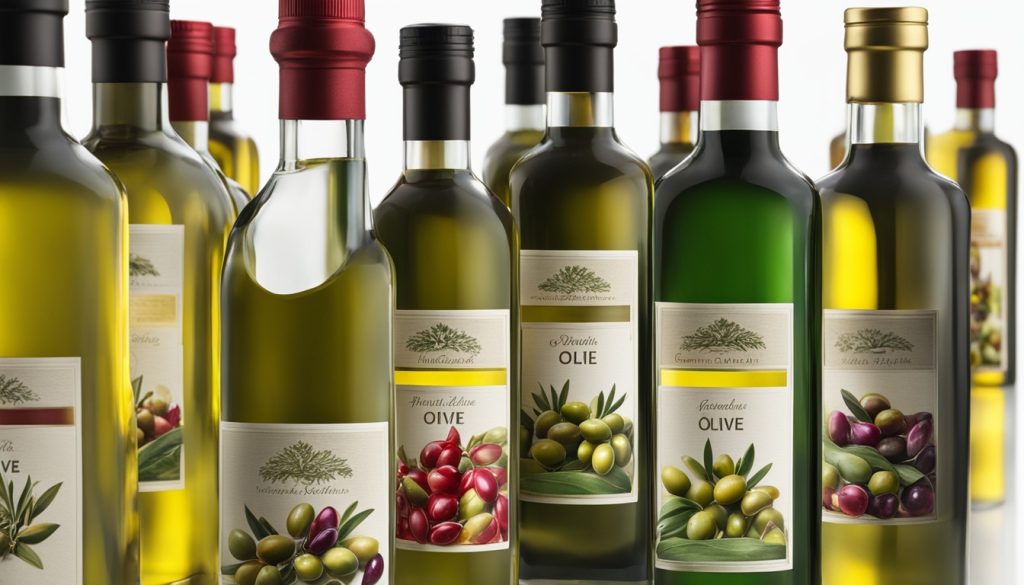
If you love olive oil or are just starting to, Spanish olive oil is a treasure. It’s full of surprises and delights. Take the chance to try this golden liquid and discover the heart of Mediterranean cooking.
From Grove to Bottle: The Artisanal Production Process
Making premium Spanish olive oil is a big job that goes back centuries. It’s all about quality and tradition. From the olive groves to the final bottle, every step is about making sure it’s the best.
They focus on sustainability and being true to the original recipe. This makes the oil special.
Ensuring Quality and Authenticity Through Certifications
Spanish olive oil is proud of its high standards. They have special certifications that prove the oil’s quality and where it comes from. These certifications make sure the olives are from certain areas. This keeps the unique taste of Spanish olive oil.
Many producers also care about the planet. They use methods that are good for the earth. This means the oil tastes great and is made in a way that’s good for everyone.
| Certification | Description |
|---|---|
| PDO (Protected Designation of Origin) | Ensures that the olive oil is produced, processed, and prepared within a specific geographical area, with recognised expertise and characteristics attributable to that region. |
| PGI (Protected Geographical Indication) | Recognises that the olive oil’s quality, reputation, or other characteristics are essentially attributable to its geographical origin, with at least one of the production steps taking place in the defined region. |
Spanish olive oil producers stick to these high standards. They show their love for the old ways and the amazing tastes of their oil.
Spanish Olive Oil: A Culinary Treasure Trove
Discover the amazing world of Spanish olive oil. It’s like a golden key to making your food special. This liquid gold is perfect for many culinary applications, recipe ideas, and flavour pairings.
Spanish olive oil is great for both sweet and savoury dishes. It adds a special touch to your cooking. It’s a must-have for anyone who loves cooking at home or professionally.
Elevating Savoury Creations
Use Spanish olive oil on grilled meats, roasted veggies, or stews. It adds a smooth texture and rich taste. It can also make pasta sauces, dips, and marinades taste amazing.
Delighting with Sweet Delights
Try Spanish olive oil in your baking too. It can make cakes, cookies, and pastries taste even better. Drizzle it on fruit salads or use it in chocolate desserts for a unique taste.
| Savoury Dishes | Sweet Treats |
|---|---|
|
|
Let your creativity shine with Spanish olive oil. It’s perfect for making everyday meals special or creating stunning dishes. This versatile ingredient opens up a world of culinary adventures.
Elevating Your Culinary Experiences with Spanish Olive Oil
Discover the magic of Spanish olive oil in your cooking. It’s perfect for both new cooks and experts. This golden liquid from the Mediterranean can turn simple dishes into amazing meals.
Using olive oil changes how your food tastes. Its unique smell and rich taste add depth to your meals. It’s great for sautéing veggies or drizzling on fresh bread.
Try swapping unhealthy fats for the healthy fats in Spanish olive oil. This makes your meals tasty and good for you. Cooking with olive oil is a great way to eat well and enjoy your food.
Get creative with Spanish olive oil in new ways. Drizzle it on grilled meats or mix it into marinades. It can also make your dishes look and taste amazing.
Spanish olive oil brings flavour and health to your cooking. It turns everyday meals into something special. Start using it to make meals that are both delicious and good for you.
We’ve explored the world of Spanish olive oil and found its true value. This liquid gold from the Mediterranean is more than just oil. It has a rich history, vibrant flavours, and health benefits that make it special.
Spanish olive oil is more than a cooking ingredient. It’s a key part of the Mediterranean diet. Its making process and the variety of oils ensure a unique taste in every bottle.
If you’re new or already love Spanish olive oil, we hope this article has inspired you. Use it in your cooking, on salads, and enjoy its rich taste. This will improve your cooking and bring you health benefits too.