
Exploring Spanish extra virgin olive oil is a journey that can make your cooking better. You deserve to find the best olive oils Spain offers. This guide will teach you how to pick the right one for you.
You’ll learn about Spanish olive oil traditions and how to read labels. We’ll cover what makes a Spanish olive oil premium. You’ll find out about its smell, taste, colour, and clarity. Plus, we’ll introduce you to top Spanish olive oil brands that will delight you.
This guide is for anyone who wants to improve their cooking. It will help you find the best Spanish extra virgin olive oil for your kitchen. Get ready to explore Spain’s olive oil heritage and enjoy the best olive oils available.
Understanding the World of Spanish Extra Virgin Olive Oil
Spain has a long history of growing olives. From the famous Picual olives in Andalusia to the gentle Arbequina in Catalonia, each region has its own special olive oil. These oils are key to Spanish cooking, bringing unique tastes and smells to the table.
The Rich Tradition of Spanish Olive Cultivation
Olive trees have been a big part of Spain for thousands of years. The first olive oil was made in the 8th century BC. Over time, farmers have perfected their skills, making some of the best extra virgin olive oils in the world.
Exploring the Diverse Regions and Varieties
- Andalusia: Home to the renowned Picual olive, known for its robust, peppery flavour and vibrant green hue.
- Catalonia: Renowned for the delicate Arbequina variety, which offers a delicate, fruity profile with hints of almond and apple.
- Castile-La Mancha: Boasting the Cornicabra olive, prized for its complex, balanced flavour and deep golden colour.
- Extremadura: Producing the Manzanilla olive, known for its smooth, buttery taste and vibrant green colour.
| Region | Variety | Flavour Profile | Colour |
|---|---|---|---|
| Andalusia | Picual | Robust, peppery | Vibrant green |
| Catalonia | Arbequina | Delicate, fruity with hints of almond and apple | Golden |
| Castile-La Mancha | Cornicabra | Complex, balanced | Deep golden |
| Extremadura | Manzanilla | Smooth, buttery | Vibrant green |
Deciphering Olive Oil Labels and Certifications
Exploring olive oil can seem hard, especially with all the labels and certifications. But, learning a bit can help you pick the best Spanish extra virgin olive oils for your cooking.
The term “extra virgin” is key on an olive oil label. It means the oil was made without chemicals, just by pressing the olives. This type is seen as the purest and tastiest.
“Cold-pressed” is another term to spot. It means the oil was made at a cool temperature. This keeps the olives’ natural smells and tastes better than other methods.
Look for regional and organic labels too. The Denomination of Origin (DO) label shows the oil comes from a certain area and is made the traditional way. Organic labels mean the olives were grown without harmful chemicals.
- Get to know terms like “extra virgin,” “cold-pressed,” and regional and organic labels.
- Check for the Denomination of Origin (DO) label for oils from a specific Spanish area.
- Choose organic labels for oils without pesticides.
Knowing about these labels and certifications lets you pick the best Spanish extra virgin olive oils. This way, you can make your food taste like real Spanish cuisine.
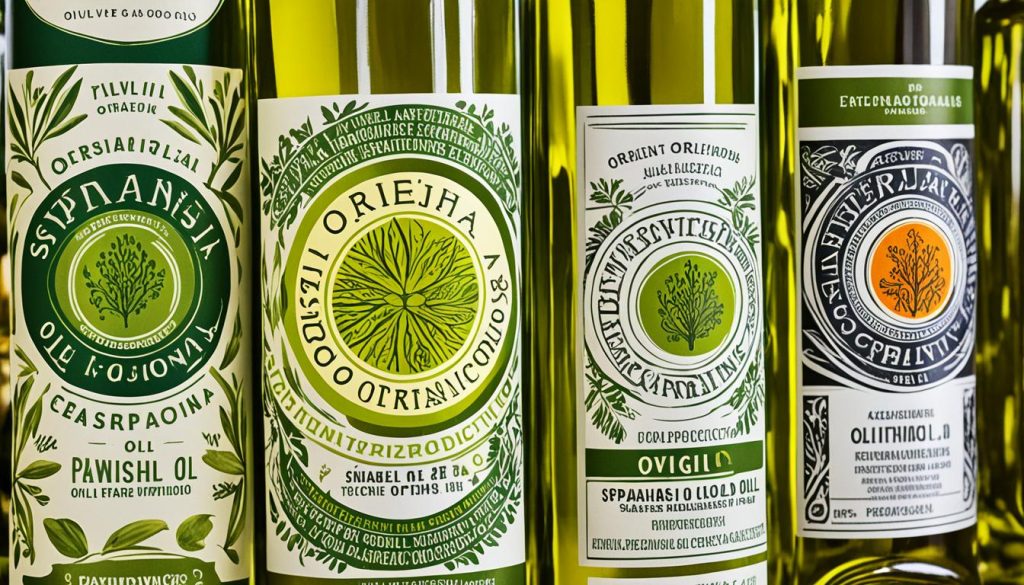
Best Spanish Extra Virgin Olive Oil: Characteristics to Look For
When picking the best Spanish extra virgin olive oil, pay close attention to its aroma and flavour. These oils can be light and fruity or strong and peppery. This depends on the type of olive and how it’s made by Spanish artisans. Trying out different oils is a great way to enjoy new tastes.
Aroma and Flavour Profiles
Top Spanish extra virgin olive oils have amazing aromas and flavours. Some have a light, floral smell with hints of green apple or fresh grass. Others are bold, with tastes of artichoke, almonds, or a nice bitterness.
To really get to know Spanish olive oil, use all your senses. Swirl the oil in your glass, smell it, and taste it. This way, you’ll notice the effort put into making it.
Colour and Clarity
The colour and clarity of Spanish extra virgin olive oil tell you a lot about its quality. The best oils are bright green, sometimes with golden or blue hints. This shows they’re fresh and pure, thanks to careful harvesting and pressing.
A clear oil is also a sign of quality. Cloudy or murky oil might have impurities, which can spoil the taste and quality.
| Characteristic | Description |
|---|---|
| Aroma and Flavour Profiles | Delicate and fruity, or robust and peppery, depending on olive variety and production methods |
| Colour | Vibrant, verdant green with golden or bluish undertones |
| Clarity | Clear and transparent, with no cloudiness or sediment |
By looking at the aroma, flavour, colour, and clarity of Spanish extra virgin olive oil, you can find the best ones. These features show the skill and hard work of Spanish producers. Each bottle is a celebration of Spain’s olive oil tradition.
Selecting High-Quality Spanish Olive Oil Brands
Finding the best Spanish olive oil can be fun but also a bit tricky. Focus on artisanal and award-winning producers for top-notch Spanish extra virgin olive oil. These brands will make your cooking special.
Artisanal and Award-Winning Producers
Some Spanish olive oil brands are truly exceptional. They focus on quality and sustainable methods. They’ve won awards for their amazing extra virgin olive oils. These oils show off Spain’s diverse tastes and flavours.
- Oro Bailen: This family business in Andalusia is known for its organic, cold-pressed high-quality Spanish olive oil brands. Their premium olive oil brands are made with great care. They have a mix of fruity, peppery, and herbaceous flavours.
- Castillo de Canena: From Jaén, this artisanal and award-winning producer is known for new ways of making olive oil. Their organic Spanish olive oil range has a wide range of tastes. From light and fragrant to strong and intense.
- Almazaras de la Subbética: This group in Córdoba is made up of small-scale high-quality Spanish olive oil brands. They’ve won global praise. Their premium olive oil brands show off the special tastes of the area. They offer top quality and flavour.
| Brand | Region | Awards | Characteristics |
|---|---|---|---|
| Oro Bailen | Andalusia | International Olive Oil Competition Gold Medal | Organic, cold-pressed, fruity, peppery, herbaceous |
| Castillo de Canena | Jaén | NYIOOC World Olive Oil Competition Gold Award | Innovative, diverse flavour profiles, fragrant, bold |
| Almazaras de la Subbética | Córdoba | Flos Olei Guide Top 100 Olive Oil | Collective of small-scale producers, exceptional quality |
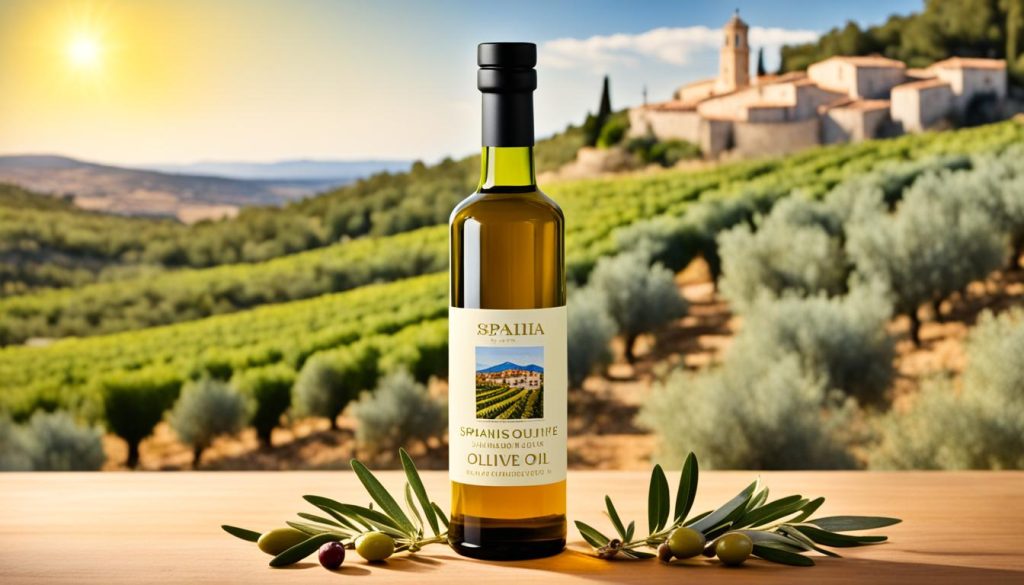
These are just a few top artisanal and award-winning producers making high-quality Spanish olive oil brands stand out. By trying their oils, you can taste the real spirit of Spain’s olive oil. Enjoy the unique flavours these premium olive oil brands bring.
Storing and Enjoying Your Premium Spanish Olive Oil
Keeping your Spanish olive oil fresh is key to enjoying its real taste. Whether you love cooking or just enjoy using this top-quality oil, knowing how to store it and use it can make your cooking better.
Proper Storage Techniques
To keep your Spanish olive oil tasting great, store it right. Here are some tips:
- Keep the oil in a cool, dark place, away from sunlight and heat.
- Use an airtight container, like a bottle or tin with a tight lid.
- Don’t let air get to the oil, as it can make it go bad.
- If it’s very warm where you live, keep the oil in the fridge. But let it get to room temperature before you use it for the best taste.
Culinary Uses and Pairing Suggestions
Spanish olive oil is great for many dishes. Here are some ways to use it:
- Drizzle it on salads, veggies, and grilled meats for a real Spanish taste.
- It’s perfect for marinades, dressings, and dips because of its rich flavour.
- Add it to your baking and roasting for a subtle nutty taste in breads, pastries, and veggies.
- Try it with garlic, herbs, and citrus for amazing flavours together.
| Pairing Suggestions | Culinary Uses |
|---|---|
| Garlic, Herbs, Citrus | Salads, Dressings, Marinades |
| Tomatoes, Bread, Cheese | Dips, Bruschetta, Caprese Salad |
| Seafood, Poultry, Vegetables | Sautéing, Roasting, Baking |
By storing your Spanish olive oil right and trying different recipes, you can bring out its best flavours. This will make your meals taste like real Spanish food.
Conclusion
Now you know about Spanish olive oil’s rich tradition. You can pick the best extra virgin olive oil for your kitchen. Using these top oils will make your cooking and baking taste better. It lets you enjoy the real tastes of Spanish food.
Drizzle it on salads, sauté veggies, or bake with it in breads and pastries. These Spanish olive oils add a Mediterranean touch to your meals. Enjoy the vibrant tastes and how versatile they are.
Look into the work of Spanish olive oil makers. Learn about the unique tastes from different regions. With what you now know, you can improve your cooking and enjoy Spanish cuisine’s true flavour.